How Do I Choose Garage Workbenches for My DIY Projects and Hobbies?

Anna Bellamy • November 18, 2026

How Do I Choose Garage Workbenches for My DIY Projects and Hobbies?

Your next DIY project might involve assembling a bookshelf, repairing a drawer, or working on a detailed model. Garage workbenches can support very different activities, so it helps to picture what you’ll actually do at yours before choosing one. Even a spacious-looking bench can feel crowded once you lay out your tools, materials, and unfinished pieces. The key is to consider how you’ll use the workspace throughout a project, including the time you spend setting up and putting things away.


One way to understand those needs is to trace the steps of a project you’ve completed recently. What I find useful about this exercise is that it reveals the inconveniences you may have started working around without noticing. Perhaps you repeatedly moved materials aside or cleared everything away before you were finished. These interruptions can help you identify which features would improve your routine and deserve a place in your budget. 


The following considerations can help you compare garage workbenches with your project requirements in mind:


  • Identify your main projects and hobbies
  • Measure your available garage space
  • Choose a comfortable working height
  • Match the work surface to your materials and tools
  • Check weight capacity and stability
  • Select storage around your tool collection
  • Plan for task lighting and power access
  • Compare ready-made and custom workbenches
  • Set a budget around your priorities

Your free time is limited, and a well-chosen bench can help you spend more of it on the parts of a project you enjoy.

Identify Your Main Projects and Hobbies

What do you expect to work on during an ordinary weekend? Your answer might include routine household repairs, furniture projects, or a hobby that involves lots of small parts. List the activities you already do regularly, along with any new hobby you’re actively preparing to try. Give your frequent tasks the most attention so an occasional ambitious project doesn’t dictate the entire setup.


Next, consider what each activity involves at the bench. If you repair small appliances, you may need to keep removed parts in order while you work. Model building could require an area where delicate pieces can remain undisturbed between sessions. These details help you define what the workspace needs to accommodate before you compare individual features.


Your projects may also compete for the same space. A repair that takes an hour has different demands than a build you’ll return to throughout the week. Decide if you’ll usually finish and clear away one task before starting another, or need to keep two projects in progress. By the end of this exercise, you should have a short list of activities, typical project sizes, and requirements you can use to evaluate a bench.

Measure Your Available Garage Space

An empty stretch of wall can look roomy until you park the car and open its doors. Measure the width and depth available for your bench with the garage arranged as you normally use it. Include nearby doorways, steps, and anything else that limits where the bench can sit. You’ll get a more useful measurement when everyday obstacles are already accounted for.


Before settling on dimensions, I recommend marking the proposed bench footprint on the floor with painter’s tape. Park your vehicle, open its doors, and walk the routes you use to enter the house or retrieve stored items. Check that cabinet doors and drawers will have room to open into the remaining space. This simple trial can reveal a cramped layout before you commit to a bench size.


You’ll also need space around the bench for projects that extend past its edges. Consider where a long board or partly assembled piece of furniture would sit while you work. If you’re considering a movable bench, identify both its working position and its storage spot. The layout should accommodate your project without requiring you to squeeze past it every time you cross the garage.

Choose a Comfortable Working Height

The height of your bench affects how comfortably you can work on a project. A surface that’s too low may have you bending forward, while one that’s too high can leave your shoulders raised. Your own height matters, but so does the position of the piece you’re working on. A tall object can bring the task well above the countertop, so consider where your hands will actually be.


Try a few surface heights while imitating the movements your hobby requires. For seated tasks, check that you have room for your knees and can bring the chair close enough to the work. Keep frequently used areas within a comfortable reach so you don’t have to lean across the bench repeatedly. Even a brief trial can help you spot an awkward position before you choose dimensions.


If you’ll share the bench, compare how comfortably each person can use the proposed height. My preference for a shared setup is to check both users’ working positions before settling on a compromise that might suit neither. An adjustable-height model may be worth considering when users or tasks need different positions. Confirm its adjustment range and how easily you can change the height as part of your normal routine.

Match the Work Surface to Your Materials and Tools

Paint, glue, sharp edges, and metal parts can all affect the surface you work on. Your countertop choice should reflect the materials you handle and the cleanup your projects involve. Check the specifications for the exact surface and finish you’re considering, since similar-looking tops can have different care requirements. Appearance alone won’t tell you how well a countertop suits your hobby.


When comparing garage workbenches, ask how the available countertop materials match your intended use. These questions can help you evaluate common options:


  • Wood or Butcher Block: What finish protects the wood, and what upkeep does it need?
  • Steel: What type of steel is used, and how should you handle scratches or spills?
  • Laminate: What limits does the manufacturer specify for heat, moisture, and surface damage?


Clamps and mounted accessories deserve attention before you finalize the countertop. Check that the edge shape and overhang give your clamps enough room to grip without interference underneath. If a task calls for a protective mat or sacrificial work surface, confirm that it’s suitable for the materials and tools involved. You’ll have a more useful setup when the countertop supports both the project and the way you hold it in place.

Check Weight Capacity and Stability

A workbench needs to support everything you’ll place on it during a project. Add up the weight of equipment that stays on the bench, the piece you’re working on, and any materials you’ll set beside it. My priority when comparing load ratings is to confirm what the stated capacity covers, including the exact model and configuration. Also check how the manufacturer expects the load to be distributed across the surface.


Weight capacity alone doesn’t explain how a bench will behave during hands-on work. You may apply sideways pressure while sawing or repeated force while hammering, so ask if the bench is suitable for those activities. Give that question particular attention if you plan to attach a vise, since the mounting requirements matter as well. Look for clear guidance on the frame, connections, and any anchoring the installation requires.


For a movable bench, check how the wheels lock and what the manufacturer requires before work begins. Your garage floor also matters, especially if the proposed location has a slope or uneven patches. Ask how the bench will be leveled and secured in its working position. You should be able to concentrate on the task without the bench rocking or shifting beneath it.

Select Storage Around Your Tool Collection

Tools are easier to put away when their storage spaces match their sizes and shapes. Before choosing a drawer or cabinet layout, measure your bulkiest items and group smaller supplies by how you use them. Pay attention to tools with awkward handles, fitted cases, or attachments that need to stay together. Your inventory will help you avoid drawers that are too shallow or cabinets that leave useful space unused.


Different storage options serve different parts of your collection. Use these categories to decide where your tools and supplies belong:


  • Drawers: Keep small hand tools, fasteners, and measuring supplies separated with appropriately sized compartments.
  • Cabinets: Accommodate larger tool cases and bulky supplies, with shelf spacing matched to their dimensions.
  • Wall Storage: Place frequently used tools on compatible hooks or holders where you can see and retrieve them.

Reserve the easiest-to-access spots for items you use during most projects. Supplies you only need occasionally can occupy less convenient spaces without interrupting your routine. Leave some storage capacity unassigned so a new tool doesn’t require reorganizing the entire bench. A useful layout gives you a clear place to return each item while keeping the worktop available for your project.

Plan for Task Lighting and Power Access

Your garage’s ceiling lights may illuminate the room while leaving the work surface in shadow. Stand or sit where you’ll work and check how your body and nearby cabinets affect the light. Pay particular attention to the areas where you’ll read measurements, sort small parts, or inspect details. Task lighting should help you see those areas clearly without creating distracting glare.


Before choosing built-in power options, I recommend listing what you expect to plug in at the same time. A bench used for a corded tool, a task lamp, and battery chargers has different requirements than one used mainly for handwork. Share that list with your installer so the proposed setup can be checked against your equipment’s requirements. The number of available sockets is only one part of planning suitable power access.


Consider where cords will run when your equipment is in use. You’ll want connections positioned so cables don’t cross your main work area or walking route. Check that switches and outlets remain accessible once your tools and projects are in place. These details are easier to resolve before installation than after you’ve settled into the workspace.

Compare Ready-Made and Custom Workbenches

Ready-made garage workbenches give you a defined set of dimensions and features to evaluate before buying. You can compare the listed specifications with the requirements you’ve already identified. Check what arrives assembled, what you’ll need to put together, and how the bench will get into your garage. A suitable standard model can be a practical choice when its configuration meets your needs.


A custom workbench involves decisions about the design before it’s built or installed. You’ll need to confirm which elements can be changed and review the proposed layout carefully. One question I’d bring to that conversation is who handles each step, including delivery, assembly, and installation. Clear responsibilities make it easier to compare a custom proposal with the work involved in buying a ready-made bench.

Timing and purchase terms also deserve a close look. Ask when the bench will be ready, what could affect delivery, and when design changes are no longer possible. Review return policies and warranty coverage for either option before placing an order. Your choice should account for the full purchase and setup process, along with the finished workstation.

Set a Budget Around Your Priorities

The listed price of a workbench may cover only part of the finished setup. Ask for a complete cost that includes your selected accessories, delivery, assembly, and installation where applicable. Confirm which items are included and which carry separate charges. You’ll have a clearer comparison when every option accounts for the same scope of work.


Separate the requirements your projects depend on from additions you can comfortably postpone. A suitable work surface and adequate support deserve room in the budget before decorative upgrades or optional extras. Consider how often an added feature will earn its place during a typical project. A feature you’ll use every weekend may justify more of your budget than one intended for a hobby you haven’t started.


Some additions can wait, but check how easily they can be fitted later. Before treating a postponed accessory as a saving, I’d check if adding it later would require modifications, another installation visit, or extra labor. Include those potential costs when deciding what to purchase now. Your budget should leave you with a usable workstation on day one and a realistic plan for any future additions.


Conclusion

Time spent on your hobbies should feel rewarding, even when you only have an hour to spare. As you compare garage workbenches, picture yourself halfway through a familiar project with the tools and materials you need around you. The best fit will make sense in those ordinary moments. Choose a bench that helps you spend more of your free time doing the work you enjoy. 

Share this article

Recent Posts

10 Overhead Garage Storage Ideas for Easier Seasonal Rotation
By Anna Bellamy • September 18, 2026
Discover overhead garage storage ideas that turn seasonal rotation into a quick swap, not a cluttered, time-consuming weekend chore that repeats twice a year.

How to Give Each Child Their Own Space in Shared Kids' Closets
By Anna Bellamy • July 16, 2026
Explore simple, practical ways to divide shared kids' closets so every child ends up with a space that feels organized, personal, and truly their own each day.

How to Get the Most Out of Your Garage Slatwall for Every Type of Storage
By Anna Bellamy • June 1, 2026
Discover how to set up your garage slatwall for every type of storage, from daily tools to seasonal gear, using the right hooks, bins, baskets, and shelves.

Seasonal Care Tips for Garage Cabinets Every Homeowner Should Know
By Anna Bellamy • March 30, 2026
Keep your garage cabinets in top shape year-round with seasonal care tips that help prevent damage, improve organization, and extend their overall lifespan.

5 Ways to Prevent Overcrowding in Reach-In Closets
By Anna Bellamy • January 26, 2026
Learn five practical ways to prevent overcrowding in a reach-in closet using smart editing, seasonal rotation, zoning, and storage choices that fit the space.

8 Holiday Organization Tips for a Clutter-Free Walk-In Closet
By Anna Bellamy • November 18, 2025
Keep your custom closet system organized and functional and your routines simplified with practical tips to store and rotate seasonal essentials all year long.

Smart Tips to Organize Seasonal Items in Your Custom Closet System Year-Round
By Anna Bellamy • September 24, 2025
Keep your custom closet system organized and functional and your routines simplified with practical tips to store and rotate seasonal essentials all year long.

Clothes hanging in a closet: white shirt, blue shirt, tan pants, and green dress.
By Anna Bellamy • May 4, 2024
Discover premium, stylish, and versatile hanger solutions designed to keep your home organized. Find quality hangers for every closet, garment, and storage need.

How to Choose the Perfect Hanger for Every Space
By Anna Bellamy • May 1, 2024
The right hanger can make all the difference in keeping your closet organized and your clothes looking their best. Learn how to choose the perfect hangers for every space—from small closets to spacious walk-ins—and keep your wardrobe neat, functional, and stylish.
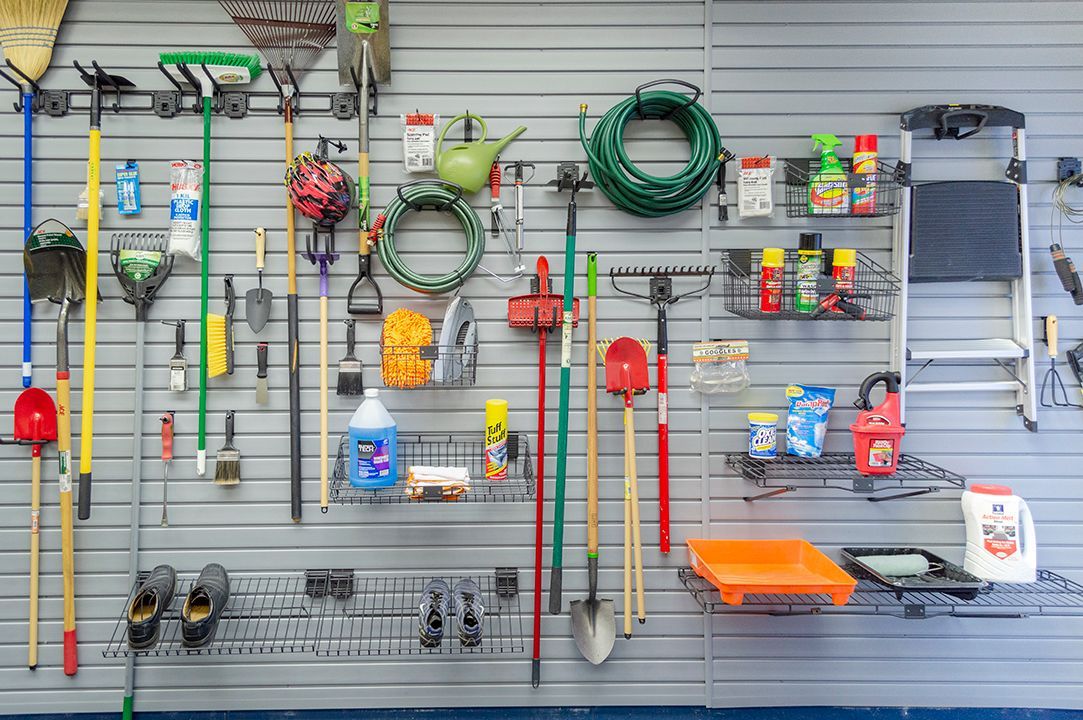
Simplify Garage Slatwall Accessory Selection: Get Started with an Easy Starter Kit
By Anna Bellamy • April 29, 2024
Organizing your garage has never been easier! With a Garage Slatwall Starter Kit, you can quickly and efficiently select the right accessories to keep tools, sports gear, and essentials neatly stored. Simplify your space and get started today.
Show More