How to Get the Most Out of Your Garage Slatwall for Every Type of Storage

Anna Bellamy • June 1, 2026

How to Get the Most Out of Your Garage Slatwall for Every Type of Storage

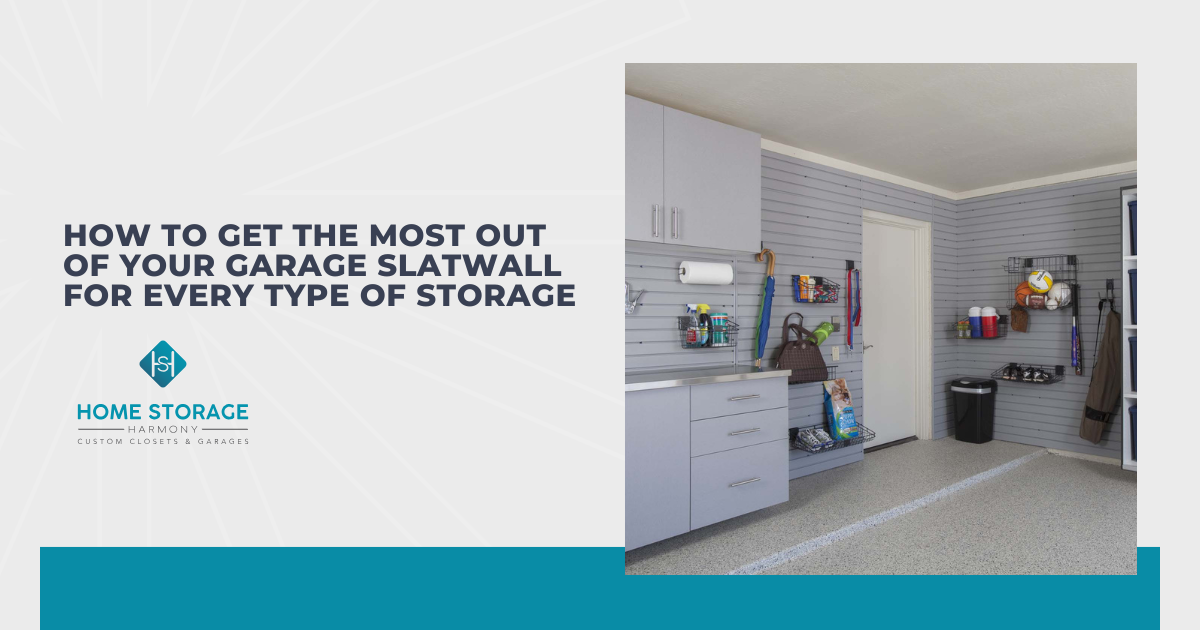
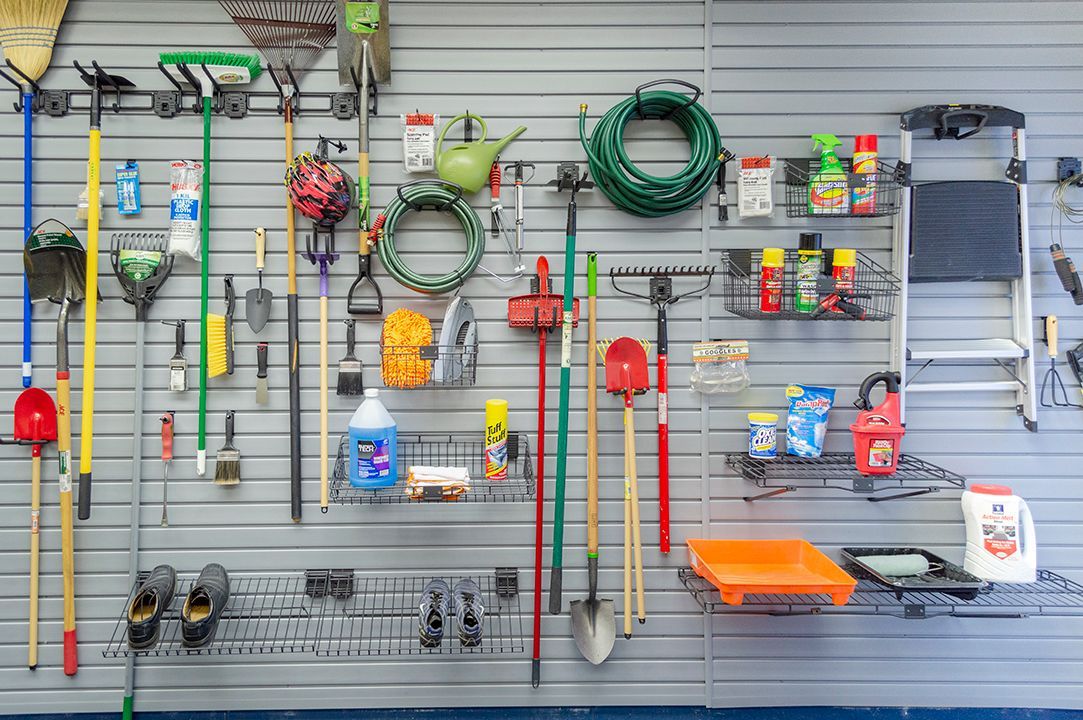
A garage slatwall is one of the most versatile storage systems you can mount on your walls. It turns empty vertical space into a working surface that'll hold nearly anything you own. The panels stay fixed while the accessories slide and move, so you can rearrange your setup whenever your needs change. What really makes it work is matching the right accessory to each kind of item.


Hooks, baskets, shelves, and bins each solve a different problem, and using them well is where the real payoff comes from. Hang everything on the same style of hook and you'll waste space and lose track of things fast. I learned this after cramming my own panels too tightly and watching half of it slide into a tangled heap. Planning around what you're actually storing makes the whole wall easier to live with.


A well-planned garage slatwall can handle every type of storage on this list:


  • Hand tools and frequently grabbed gear
  • Power tools and their accessories
  • Sports and recreation equipment
  • Long-handled lawn and garden tools
  • Cords, hoses, and other coiled items
  • Loose items in bins and baskets
  • Cleaning and automotive care supplies
  • Seasonal and rarely used belongings

Work through each one and you'll end up with a wall that's tidy, easy to scan, and built around how you really use your garage. Let's start with the spot you'll reach for most.

Hand Tools and Frequently Grabbed Gear

The tools you reach for every day deserve the easiest spots to grab. Mount your hammers, pliers, screwdrivers, and tape measures on hooks set right around eye level, where you can see them at a glance and return them without bending or stretching. When a tool has an obvious home that's quick to access, you're far more likely to put it back instead of leaving it on the bench.


Spacing matters more than you'd expect. Give each tool enough room that you can lift it off its hook without knocking the one beside it, and you'll keep the whole row from turning into a jumble. Match the hook style to the tool too, since a single straight hook works for a hammer while a curved or double hook holds pliers and wrenches more securely.


Arrange this zone by how often you grab things rather than by tool type. Your daily drivers go front and center at eye level, while the occasional-use items can sit a little higher or off to the side where they're still within reach. If you share the garage with family, keep the tools they borrow most in the easiest spots so nothing wanders off. You'll spend less time hunting and more time actually working.

Power Tools and Their Accessories

Power tools come with a small army of accessories, and a bare hook won't cut it. Pair sturdy hooks with a compact shelf or a clip-on basket so each drill, driver, or sander sits alongside its own batteries, chargers, and bits. When the whole kit lives in one spot, you grab everything you need in a single trip instead of hunting across three different walls.


Weight is the thing to watch here. A loaded drill or a corded grinder puts real strain on a single point, so check that your hooks and brackets are rated for the load before you trust them with anything heavy. I keep my heaviest tools on the lowest accessories and let the lighter stuff ride higher, which steadies the panel and spares my shoulders the awkward lift.


Group by the job rather than the tool. Your drill, its bits, and a spare battery belong together because you almost always use them as a set, and the same goes for your sander and its pads. Keep those clusters tight and your next project starts with one reach instead of a scavenger hunt.

Sports and Recreation Equipment

Sports gear is awkward by nature, all odd angles and uneven weights, which is exactly why generic hooks tend to fail it. Reach for specialty accessories sized to what you're storing: a ball rack that cradles basketballs and soccer balls, vertical hooks for bikes, a mesh basket for gloves and pads, and a dedicated holder for helmets. When the accessory fits the shape of the item, things stay put instead of rolling off or sliding loose.


Think about the full range of your household's activities before you lay this zone out. Fishing rods need long horizontal hooks, golf bags want a deep basket or a sturdy shelf, and a cluster of bats or hockey sticks stores neatly in a slim vertical holder. Matching each piece to a purpose-built accessory keeps the whole collection visible and ready to grab on your way out the door.


Give bulky items a little breathing room so you can pull one piece without dislodging the rest. A bike lifted onto its hook shouldn't crowd the helmet below it, and a ball rack needs clearance so nothing tumbles when you take the top one. Spacing this zone generously means everyone can grab their gear and go without resetting the wall afterward.

Long-Handled Lawn and Garden Tools

Rakes, shovels, brooms, and hoes eat up floor space the moment you lean them in a corner, and they always seem to slide down at the worst time. Give them a dedicated vertical zone with double hooks that cradle the handle on both sides, and they'll hang securely without creeping or toppling. Clearing these long tools off the floor also opens up room you can actually walk through.


Decide on handle-up or handle-down before you start hanging. Handle-down keeps the heavy working end up high and out of the way, which suits a leaf rake or a broom, while handle-up lets you grab a shovel or hoe by the grip the second you need it. Pick one orientation for tined and bristled tools so the messy ends stay clustered away from where you walk past.


Leave enough clearance below each tool so the business end doesn't catch your shins or scratch the car. Long tools swing a little as you lift them off, and I've taken a rake handle to the face enough times to swear by a few extra inches on either side. A tidy vertical row here turns a cluttered corner into one of the most usable stretches of your wall.

Cords, Hoses, and Other Coiled Items

Extension cords and air or water hoses fight back when you try to store them, springing loose and tangling into a knot the second you set them down. Hang them on oversized loop hooks or, better yet, slatwall-mounted reels that let you wind and unwind in one smooth motion. Coiled neatly on the wall, they stay ready to grab and pull out to full length without a fight.


Size the accessory to the coil rather than forcing a big hose onto a small hook. A heavy contractor-grade extension cord or a long garden hose needs a wide, deep loop so the coil holds its shape and doesn't slip off under its own weight. Check the weight rating too, since a water-filled hose or a thick cord can be surprisingly heavy once it's fully wound.


Getting these items off the floor protects them as much as it tidies the space. Cords left in a pile get stepped on, run over, and pinched against the concrete, and that's how the insulation cracks and the connectors fail. Up on the wall and properly coiled, they last longer, and you can see at a glance which one you need.

Loose Items in Bins and Baskets

Some things just won't hang, and that's where bins and baskets earn their keep. Clip-on bins corral all the small, loose stuff that slips through hooks: screws, fasteners, anchors, washers, and stray work gloves. A row of shallow bins mounted right above your workbench cuts the search for the right screw down to seconds.


Sort by category and the system runs itself. Give each bin a single type of item, like drywall screws in one and wall anchors in the next, instead of dumping everything into a shared catch-all. Deeper baskets handle the bulkier loose goods such as spray cans, rolls of tape, or balls of twine that would otherwise roll around a drawer.


Label everything, even if the bins are clear. A quick strip of tape or a clip-on tag tells you what's inside without lifting the bin down to check, and it makes putting things back obvious for anyone else sharing the space. A labeled, sorted row of bins turns the messiest corner of your storage into the easiest one to use.

Cleaning and Automotive Care Supplies

Cleaning and detailing products scatter fast when they don't have a home, so give them a contained one. Mount a small caddy or a shelf fitted with hooks to hold spray bottles, microfiber cloths, brushes, and your car care products together in a single reachable spot. With everything gathered in one place, you grab the whole lineup at once instead of chasing a bottle here and a rag there.


Group these supplies by the task you actually do with them. I keep my wash mitts, wheel brush, and tire shine clustered on one section and my interior wipes and glass cleaner on another, so a quick detailing session means one trip to the wall. Sorting by job rather than by product type means you're never assembling a kit from scratch every time you start.


Keep the liquids up off your work surfaces and the floor. Spray bottles and solvent containers tip and leak when they're crowded onto a bench, and a slick puddle on the concrete is the last thing you want underfoot. Hung on hooks or lined up on a dedicated shelf, the bottles stay upright, visible, and well clear of anything they could stain or damage.

Seasonal and Rarely Used Belongings

Holiday decorations, summer coolers, and winter gear only come out a few times a year, so they shouldn't occupy the spots you reach for daily. Send these items to the higher or harder-to-reach stretches of your slatwall, and keep the prime eye-level real estate open for the tools and gear you use all the time. Tucking the seasonal stuff up and out of the way makes the whole wall work harder for you.


Lean on baskets and hooks that can carry the bulkier, lighter seasonal loads. A deep basket up high holds a coiled string of lights or a folded canopy, while sturdy hooks can take a cooler or a bag of beach gear that's empty most of the year. Keeping these things visible on the wall beats burying them in a bin at the back of a shelf where you forget you own them.


Rotate the zone as the seasons turn. When the weather shifts, swap the gear that's heading into storage with the gear you're about to use, so what's current always sits within easy reach. A quick seasonal refresh keeps your wall matched to the months ahead and stops the rarely used items from quietly creeping back into your best space.


Conclusion

The real strength of a garage slatwall is that it bends to fit your life rather than forcing you to fit it. Match the right hook, basket, or shelf to each kind of item and the whole wall starts working with you, keeping daily tools close and seasonal gear out of the way. Walls that are planned around how you actually move through your garage stay tidy far longer than ones thrown together in an afternoon. Give yours a little thought now and it'll pay you back every single time you walk through the door.

Share this article

Recent Posts

By Anna Bellamy March 30, 2026
Garage cabinets take on a lot more than simple storage, especially with Nebraska’s changing seasons. Temperature swings, humidity, and dust can all affect how well your garage cabinets hold up throughout the year. When those factors are ignored, small issues can quietly turn into bigger problems. You don’t need a complicated routine to keep things in good shape. A few consistent habits throughout the year can help your cabinets last longer and stay easy to use. Breaking maintenance into seasonal steps also makes it easier to stay on track without feeling overwhelmed. Here are the key seasonal care tips I recommend for keeping your garage cabinets in top condition: Spring: Deep clean and declutter your garage cabinets Spring: Inspect for winter damage and moisture issues Summer: Protect your garage cabinets from heat and humidity Summer: Maintain hardware and moving parts Fall: Reorganize for seasonal storage Fall: Pest-proof your garage cabinets Winter: Protect against cold and moisture Winter: Check stability and anchori ng If you want your garage to stay functional and stress-free, these tips will help you stay on track. Let’s walk through each one so you can apply them with confidence.
5 Ways to Prevent Overcrowding in Reach-In Closets
By Anna Bellamy January 26, 2026
Learn five practical ways to prevent overcrowding in a reach-in closet using smart editing, seasonal rotation, zoning, and storage choices that fit the space.
By Anna Bellamy November 18, 2025
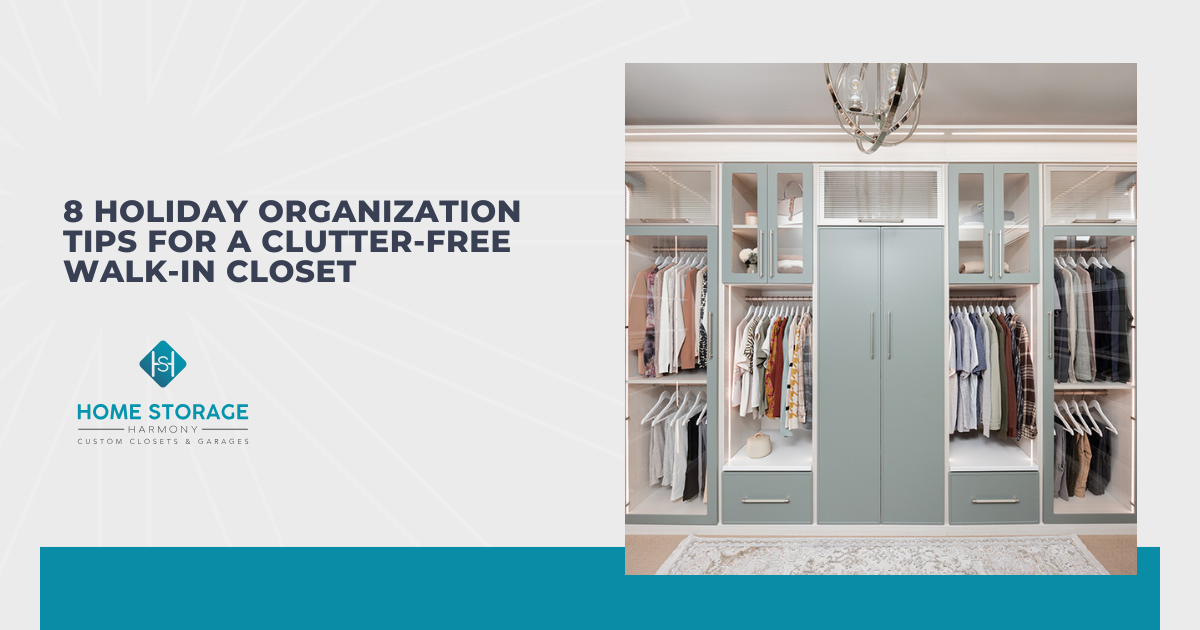
The holiday season is one of my favorite times of the year, but I’ll be the first to admit—it can also bring a surprising amount of chaos into our homes. Between the extra layers, special-occasion outfits, and gift-related clutter, a walk-in closet can quickly become overcrowded. As someone who spends a lot of time helping people create functional closets, I know how easily the space can spiral during the busiest months. And since winter tends to hang on a little longer in Nebraska, having an organized system in place makes the colder months far more manageable. I’ve put together a set of practical, approachable tips that I personally use and often recommend to clients this time of year. These strategies don’t require a full overhaul or hours of decluttering—just simple tweaks that bring clarity and calm to the space. With a few thoughtful changes, your walk-in closet can become one of the most supportive areas in your home. And the best part is, these habits make the holiday season feel smoother and a lot less stressful. Here are the eight holiday organization tips that can help you enjoy a clutter-free walk-in closet this season: Start with a seasonal declutter Create dedicated zones for holiday clothing Use vertical space for extra storage Store special-occasion pieces in protective containers Rotate clothing for the season Implement smart accessory storage Add baskets or bins for gift-related items Maintain a weekly reset routine Even adopting just a few of these habits can make your daily routine smoother and your holiday season a lot less hectic.
Smart Tips to Organize Seasonal Items in Your Custom Closet System Year-Round
By Anna Bellamy September 24, 2025
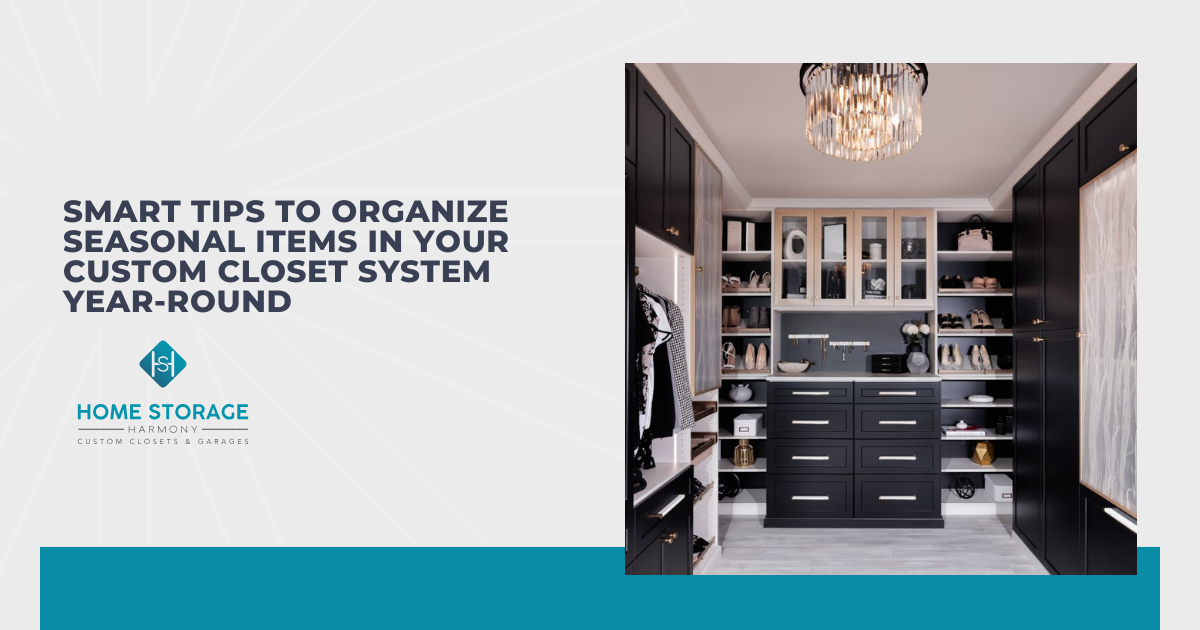
Keep your custom closet system organized and functional and your routines simplified with practical tips to store and rotate seasonal essentials all year long.
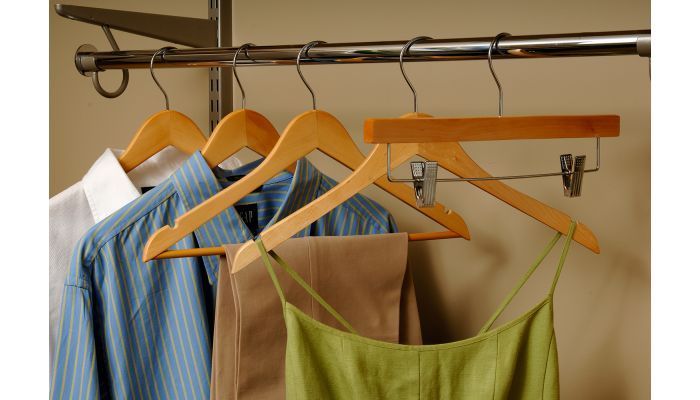
Clothes hanging in a closet: white shirt, blue shirt, tan pants, and green dress.
By Anna Bellamy May 4, 2024
From traditional and contemporary designs to specialized options that cater to luxury, environmental concerns, delicate garments, children's clothing, and laundry needs, Hangers.com offers a comprehensive range that promises both functionality and style. Use Code HOME STORAGE at checkout for 15% off your order at Hangers.com
How to Choose the Perfect Hanger for Every Space
By Anna Bellamy May 1, 2024
The right hanger can make all the difference in keeping your closet organized and your clothes looking their best. Learn how to choose the perfect hangers for every space—from small closets to spacious walk-ins—and keep your wardrobe neat, functional, and stylish.
Simplify Garage Slatwall Accessory Selection: Get Started with an Easy Starter Kit
By Anna Bellamy April 29, 2024
Organizing your garage has never been easier! With a Garage Slatwall Starter Kit, you can quickly and efficiently select the right accessories to keep tools, sports gear, and essentials neatly stored. Simplify your space and get started today.
Custom Closets for Small Spaces: Making the Most of Limited Square Footage
By Anna Bellamy April 25, 2024
Small space? No problem. Custom closets are designed to fit your unique layout, helping you maximize every inch of storage while keeping your home organized and stylish. Discover how smart closet solutions can turn even the tightest spaces into functional, clutter-free zones.
Home gym with dark gray cabinets, white shelves, and workout equipment on a black mat.
By Anna Bellamy April 22, 2024
In the tapestry of daily life, the garage often serves as a multifaceted space – a home for our vehicles, a workshop for our projects, and sometimes, a sanctuary from the chaos of life. However, amidst these roles, the garage can also unwittingly become a repository for clutter and disorganization. Beyond the physical space, this clutter can significantly impact our mental well-being. This post delves into the psychology of organization and elucidates how a tidy garage can contribute to an improved state of mind and overall life satisfaction.
Get Organized and Make the Most of Your Space - Top 6 Reasons to Unlock the Benefits of Custom Close
By Anna Bellamy April 20, 2024
Ready to take control of clutter? Custom closets are more than just storage—they’re a smart way to maximize space, boost organization, and add style to your home. Discover the top 6 reasons why investing in a custom closet can transform the way you live.
Show More